
In today’s fast-paced world, we face growing environmental challenges, understanding and reducing carbon footprints is crucial for organizations looking to make a real impact. So, what exactly is a carbon footprint? A carbon footprint refers to the total greenhouse gas emissions linked to an organization’s activities, usually measured in carbon dioxide equivalents (CO2e). These emissions come from various sources, with major contributors including energy consumption, such as electricity and fuel usage, agriculture, which involves emissions from livestock and soil management, and other commercial activities like manufacturing and transportation. Understanding these sources helps organizations identify where emissions arise and focus their efforts on reducing their environmental impact. With climate change becoming a pressing issue, organizations have a vital role to play in the solution.
Every step taken to reduce carbon emissions helps combat the effects of global warming. This isn’t just about being “green”; it is about contributing to a healthier planet for future generations. The urgency to act has never been greater, and businesses that take the lead in sustainability will not only be better for the planet but also resonate more with their customers. Let’s not forget the evolving regulatory landscape.
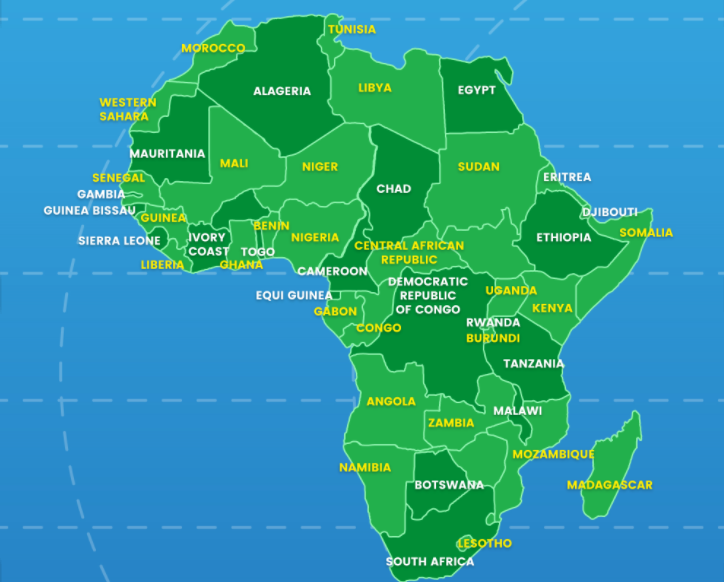
Governments worldwide are tightening regulations around emissions, which means businesses must be proactive in managing their carbon footprints. Zimbabwe for example has established a comprehensive legal framework for the control and management of carbon credit trading projects through the Carbon Trading (General) Regulations (S.I. 48 of 2025). These regulations, which repealed previous instruments, require all carbon projects to be registered with the newly established Zimbabwe Carbon Markets Authority (ZiCMA) and recorded in a national Carbon Registry. The framework ensures transparency through mandatory monitoring, reporting, and verification (MRV) and requires a portion of the revenue from carbon projects to support sustainable development in local communities.
South Africa introduced a national carbon tax in June of 2019 under the Carbon Tax Act No. 15 of 2019. Businesses that exceed industry-specific emission thresholds are required to pay the tax, which was set at R190 per tonne of CO2e in 2024 and is expected to rise significantly. The policy uses tax-free allowances (up to 95% initially) and carbon offsets to provide a transition period for companies to adopt cleaner technologies and improve energy efficiency.
The EU Corporate Sustainability Reporting Directive (CSRD), which entered into force in 2023, requires large companies (including non-EU companies meeting certain thresholds) to disclose detailed information on their environmental, social, and governance (ESG) impacts, including their carbon footprints. This mandatory reporting aims to ensure more transparent, reliable, and comparable sustainability data, enabling investors and the public to make better-informed choices. By adopting sustainable practices, organizations not only comply with laws but also enhance their resilience against future regulatory changes.
Public accountability adds another layer to this journey. Today’s consumers want to know what companies are doing to be responsible. They appreciate transparency, especially regarding sustainability efforts. Companies that openly share their emissions data and actions to reduce them often find that customers reward this honesty with loyalty and trust. On top of the ethical and reputational benefits, reducing carbon footprints can lead to significant cost savings. By investing in energy-efficient technologies and practices, organizations often find that they’re not just helping the planet, they’re also saving money. It is a win-win!
So, what can organizations do to reduce their carbon footprints? Start with a carbon audit to understand where emissions come from. Set clear, achievable reduction targets and take actionable steps towards those goals. Investing in renewable energy and adopting energy-efficient practices can greatly lower emissions. Encouraging a culture of sustainability within the organization can inspire employees and engage stakeholders, turning sustainability into a collective mission.
At the Institute for Sustainability Africa (INSAF), we are passionate about helping organizations navigate the world of sustainability. Our services, including sustainability reporting, assurance services, sustainability advisory, and training workshops and programs. These, together with our vibrant team, provide the support that businesses need to measure and manage their emissions effectively.
In summary, sustainability is not just an ideal, it is a shared responsibility, business strategy, model and value system for those seeking resilience and competitiveness. Businesses of all sizes can make a difference by understanding their carbon footprints and taking steps to reduce them. We are here to help you on this important journey. Together, we can work towards a sustainable future that benefits everyone and the planet we call home.
If you’re interested in learning more about how we can assist your organization with its sustainability efforts, don’t hesitate to reach out: Our contact details are available on our website here: https://www.instforsustainafrica.org/.